Understanding HVAC Maintenance for Your Home Comfort
- Philip Burleson
- Mar 30
- 4 min read
Maintaining a comfortable home environment is essential for your well-being, and a well-functioning HVAC system plays a crucial role in achieving that comfort. Whether it’s the sweltering heat of summer or the biting cold of winter, your heating, ventilation, and air conditioning (HVAC) system ensures that your indoor climate remains pleasant. However, like any other system, your HVAC requires regular maintenance to function efficiently. In this post, we will explore the importance of HVAC maintenance, practical tips for homeowners, and how to identify when professional help is needed.
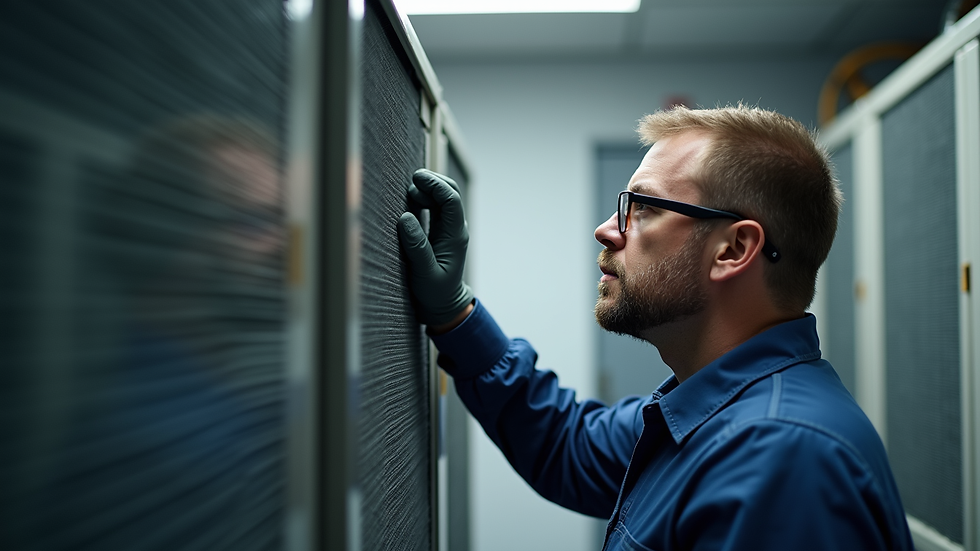
Why HVAC Maintenance is Important
Regular HVAC maintenance is not just about keeping your home comfortable; it also has several other benefits:
Energy Efficiency: A well-maintained HVAC system operates more efficiently, which can lead to lower energy bills. According to the U.S. Department of Energy, regular maintenance can improve your system's efficiency by up to 30%.
Extended Lifespan: Just like any other appliance, your HVAC system has a lifespan. Regular maintenance can extend this lifespan, saving you money on premature replacements.
Improved Air Quality: A clean HVAC system helps to filter out dust, allergens, and other pollutants, improving the air quality in your home.
Preventative Care: Regular maintenance can help identify potential issues before they become major problems, saving you from costly repairs down the line.
Key Components of HVAC Maintenance
Understanding the key components of your HVAC system can help you appreciate the importance of regular maintenance. Here are the main parts to focus on:
1. Air Filters
Air filters are crucial for maintaining indoor air quality. They trap dust, pollen, and other particles, preventing them from circulating in your home.
Tip: Check your air filters monthly and replace them every 1-3 months, depending on usage and filter type.
2. Coils
The evaporator and condenser coils are essential for heat exchange in your HVAC system. Dirty coils can reduce efficiency and lead to system failure.
Tip: Clean the coils at least once a year to ensure optimal performance.
3. Ductwork
Ducts distribute conditioned air throughout your home. Leaks or blockages can significantly reduce efficiency.
Tip: Inspect your ductwork for leaks and have it cleaned every few years to maintain airflow.
4. Thermostat
The thermostat controls your HVAC system's operation. A malfunctioning thermostat can lead to inconsistent temperatures.
Tip: Test your thermostat regularly and consider upgrading to a smart thermostat for better control and efficiency.
Seasonal HVAC Maintenance Checklist
To keep your HVAC system running smoothly, follow this seasonal maintenance checklist:
Spring Maintenance
Change Air Filters: Start the season with a clean filter.
Inspect Coils: Clean the evaporator and condenser coils.
Check Refrigerant Levels: Ensure your system has the correct refrigerant levels.
Test the Thermostat: Make sure it’s functioning correctly.
Summer Maintenance
Inspect Ducts: Look for leaks and blockages.
Clean the Outdoor Unit: Remove debris and vegetation around the outdoor unit.
Check Drain Lines: Ensure that condensate drain lines are clear.
Fall Maintenance
Change Air Filters: Replace filters before the heating season.
Inspect Heating Elements: Check the furnace or heat pump for any issues.
Test the Heating System: Run the heating system to ensure it’s working properly.
Winter Maintenance
Check for Ice Buildup: Inspect the outdoor unit for ice accumulation.
Inspect Vents: Ensure that vents are not blocked by furniture or other objects.
Schedule Professional Maintenance: Consider having a professional inspect your system before the coldest months.
Signs Your HVAC System Needs Professional Help
While regular maintenance can prevent many issues, there are times when you may need to call in a professional. Here are some signs to watch for:
Unusual Noises: If you hear banging, clanking, or hissing sounds, it may indicate a problem.
Inconsistent Temperatures: If some rooms are too hot or too cold, your system may not be functioning properly.
Increased Energy Bills: A sudden spike in your energy bills could indicate that your HVAC system is working harder than it should.
Poor Air Quality: If you notice an increase in dust or allergens, it may be time to have your system checked.
DIY HVAC Maintenance Tips
While some maintenance tasks are best left to professionals, there are several things you can do yourself to keep your HVAC system in top shape:
Keep the Area Around the Unit Clear: Ensure that there is no debris, leaves, or vegetation obstructing your outdoor unit.
Regularly Check and Replace Filters: This is one of the easiest and most effective ways to maintain your system.
Monitor Your Energy Bills: Keep an eye on your energy usage to spot any unusual spikes.
The Role of Professional HVAC Services
While DIY maintenance is important, professional HVAC services are essential for thorough inspections and repairs. Here’s what to expect from a professional service:
Comprehensive Inspections: Professionals will check all components of your HVAC system, ensuring everything is functioning correctly.
Expert Repairs: If any issues are found, trained technicians can make the necessary repairs safely and effectively.
Maintenance Plans: Many HVAC companies offer maintenance plans that include regular inspections and priority service.
Conclusion
Understanding HVAC maintenance is key to ensuring your home remains comfortable year-round. By following a regular maintenance schedule, being aware of the signs that indicate professional help is needed, and taking proactive steps to care for your system, you can enjoy a comfortable living environment while saving money on energy bills and repairs.
Take the time to invest in your HVAC system today, and you’ll reap the benefits for years to come. Whether you choose to tackle some of the maintenance tasks yourself or rely on professionals, staying informed and proactive is the best way to ensure your home comfort.


Comments